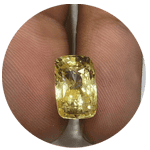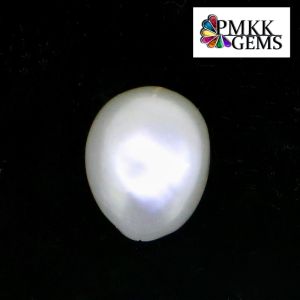
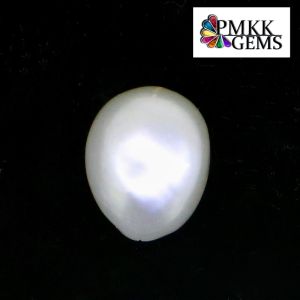
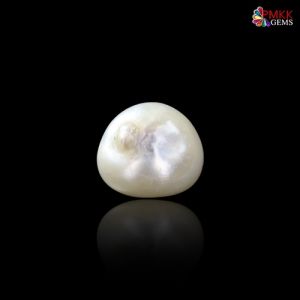
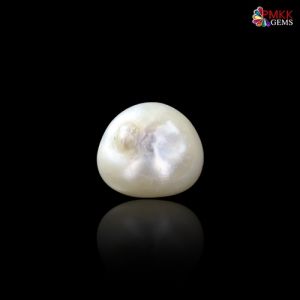
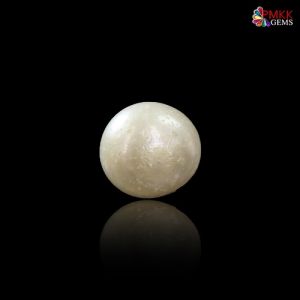
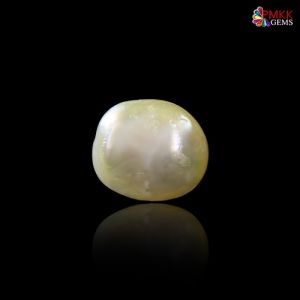
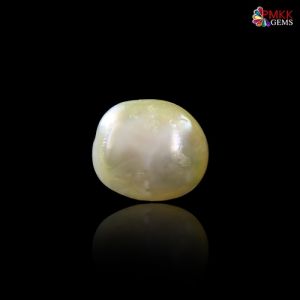
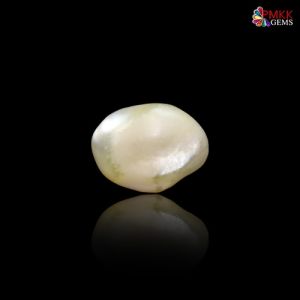
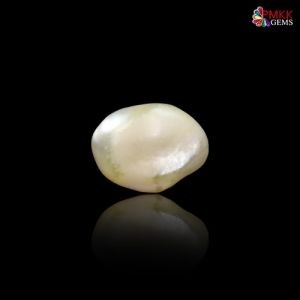
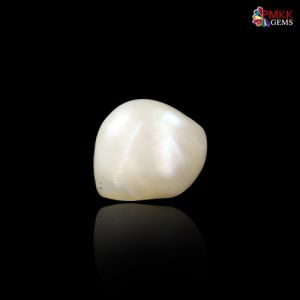

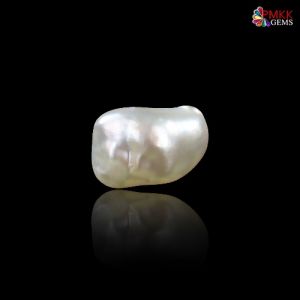
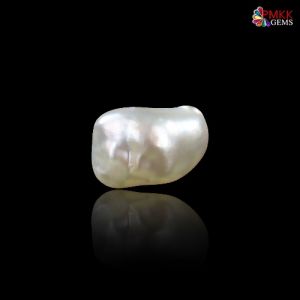
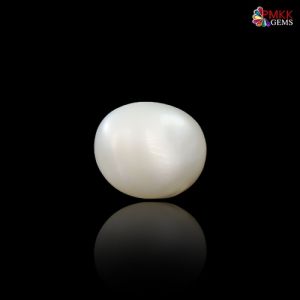
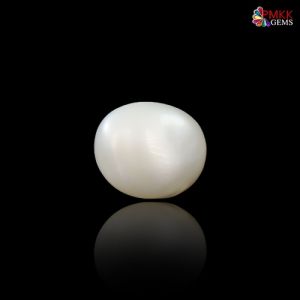
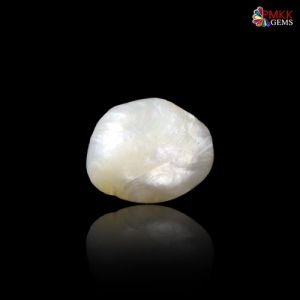
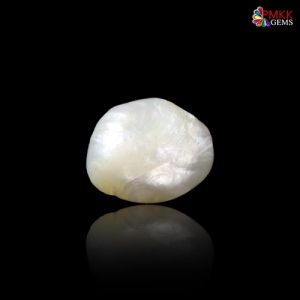
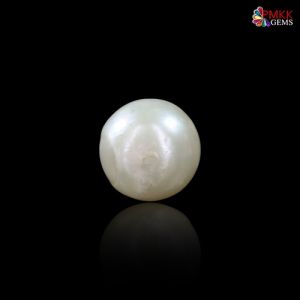
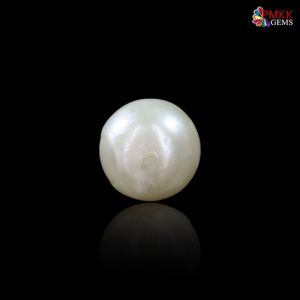
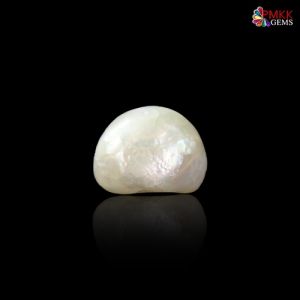
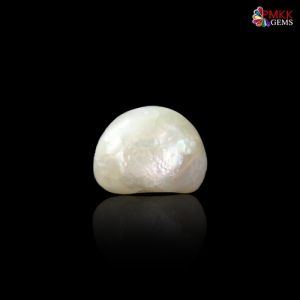
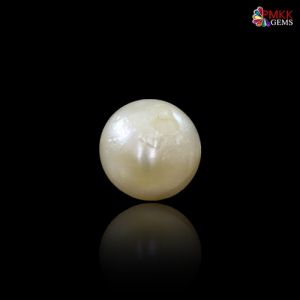
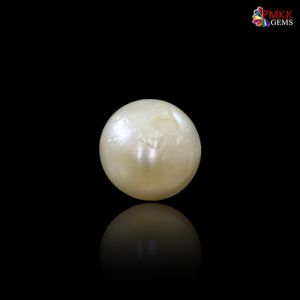
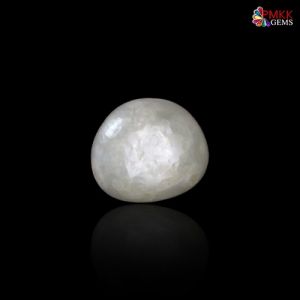
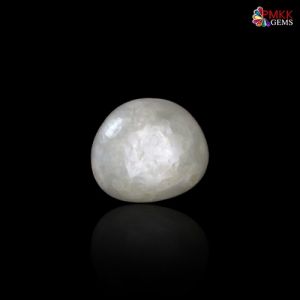
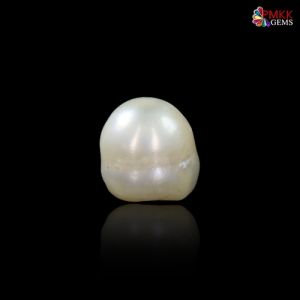
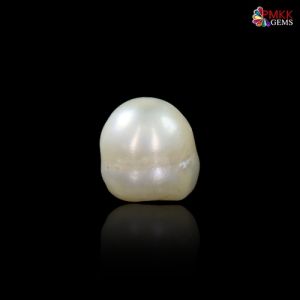
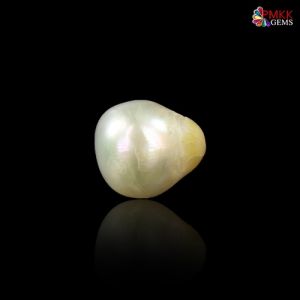
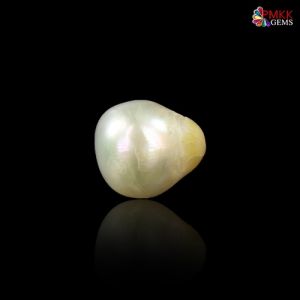
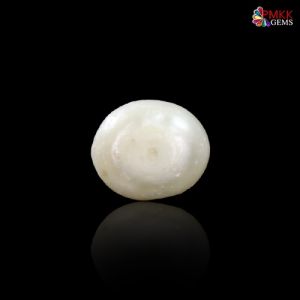
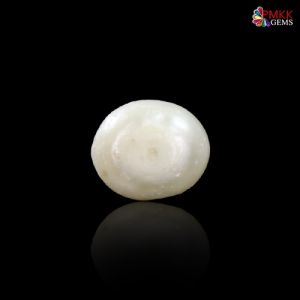

Pearl Stone (Moti Ratna)
Pearl stone, popularly known as Moti stone or Mukta Stone in India is one of the most striking and lustrous gemstones in existence known for its rarity, divine beauty, and astronomical value. Primarily obtained from the body of a living organism named ‘Mollusk’ that resides in the depth of the ocean or sea, pearl gemstone comes in white to creamish, semi-blue to grey hues, and sometimes, golden-white hues.
Moti stone is massively hailed across the world for its paramount astrological benefits as well as mind-bending value. Though with the help of avant-garde technology, pearls can also be imitated in laboratories, natural pearls are still unbeatable in value as it takes years by living Mollusks to produce natural pearls and incur them by human beings. According to Western astrology, pearl stone is also the birthstone for those who are born in the month of June.
Physical Properties of Pearl Stone
Understanding the physical and chemical properties of original pearls stone can help understanding this alluring gemstone in totality.
Property
Description
Chemical Composition
Primarily calcium carbonate (CaCO₃) in the form of aragonite
Color
White, cream, pink, silver, golden, black, blue, green
Luster
Pearly to silky
Hardness (Mohs Scale)
2.5 – 4.5
Specific Gravity
2.60 – 2.85
Crystal System
Orthorhombic (aragonite crystals)
Transparency
Translucent to opaque
Fracture
Uneven or granular
Tenacity
Brittle
Structure
Organic, composed of concentric layers of nacre (mother-of-pearl)
Formation
Biogenic (formed inside mollusks/oysters as a defense mechanism)
Refractive Index
1.530 – 1.685
Pearl Stone Origin
Pearls are organic gemstones belonging to the precious category that are formed inside the shells of certain mollusks, such as oysters and mussels. They are created when an irritant, such as a grain of sand or a parasite, enters the mollusk's shell and the mollusk secretes layers of nacre (a combination of calcium carbonate and conchiolin) around the irritant, forming a pearl.
Natural pearl stones which are formed without any human intervention, have been found in various parts of the world, including the Persian Gulf, the Red Sea, the Gulf of Mannar, the South China Sea, and the coasts of Australia and South America. These regions have historically been known for producing high-quality natural pearls.
In addition to natural pearl gemstones, cultured pearls are also widely available. Cultured pearls are created through a process where humans intentionally introduce an irritant into a mollusk and then cultivate the growth of the pearl. Major sources of cultured pearls today include Japan, China, Australia, the Philippines, and French Polynesia.
The specific origin of a pearl stone, whether natural or cultured, can vary depending on the region where it was sourced. It is always a good idea to inquire about the origin of a pearl stone when purchasing one, as certain regions are known for producing pearls of exceptional quality and value.
Pearl Stone Quality
The nature of natural pearl stone generally relies upon their starting point, body tone, surface, radiance, and shape (additionally called direction). Purchase pearls of the greatest quality to benefit from your buys.
Origin: The best quality mukta stones are acquired from the southern shore of India, Sri Lanka, Japan, the Persian Gulf, Myanmar, Mexico, and Venezuela. Pearls found in the city of Basrah in the Persian Gulf (exchanged as Basrah pearls) are considered of higher worth because of their incredibly uncommon and amazing verifiable importance. Indian South Sea pearls, "Kahirmoti" from Sri Lanka, Japanese Mikimoto pearls, and Akoya pearls are generally important, however exceptionally well known in the diamond and gemstone industry.
Pearl Color: The tone and shades of the natural pearl stone body rely upon the kind of mollusk that produces them. The more uncommon and cleaner the shade of the pearl, the more significant the jewel. Unadulterated white normal pearls with somewhat pink hints are by and large thought to be the most important assortment. Cream-hued pearls are the second favored choice. Because of their remarkable shading, dark and profound gold pearl stones are considered more uncommon and esteemed appropriately.
Luster: Pearls are comprised of a layer of a solidified natural material called nacre, which makes focuses on a superficial level when the light goes through them. Great quality moti stones with thick mother-of-pearl regularly show a splendid brilliance and are considered profoundly alluring. Conversely, mid-range quality pearls with helpless mother-of-pearl seem white, dull, and warm.
Surface Flawlessness: According to prominent pearl specialists, little stamps and unobtrusive scratches on the pearl's surface show its actual beginning. These injuries result from floats and jerks that happen inside the mollusk during pearl arrangement. Fewer scratches and surface imperfections mean better caliber and more important pearls.
Shape : Since pearls are regular natural gemstones, they can come in any shape, which makes this jewel intriguing and remarkable. As a rule, round and almost round pearls are uncommon and thought about the most important. Balanced pearls are constantly liked by extravagant ones.
Pearl Stone Price
The moti stone price per carat in India relies upon the quality and size of the jewel. The nature of pearls is regularly dictated by variables like their sort, shading, surface flawlessness, radiance, and shape. The accessibility and request of specific sorts and shades likewise affect the cost of Moti Ratna in the global market.
Note: On an average, pearl stone price in India start at 1000 rupees (around $ 15) per carat and can go up to multiple rupees (around $ 3075) per carat. The genuine price of pearl stone in different nations like the United Kingdom, the United States, and the United Arab Emirates might change contingent upon their market interest relationship.
Origin: When it comes to pearl gemstones, the price of pearls is determined by their nature. Pearls are primarily of two types: natural pearls and cultured pearls. While natural pearls are quite rare in existence and available in minuscule quantities, cultured pearls can be produced in heaps and available at nominal prices for the masses. The value of natural pearl stones from Basra & Australian regions is 10 to 20 times higher than cultured pearls or natural Moti from any other region. Tahitian pearls are also considered exotic and highly prized by pearl enthusiasts.
Color: The color of an original pearl stone plays a quintessential role in determining its quality and price. Pearl gemstones with pure white color without any spots or blemishes are revered and valued the most. In addition to that, original pearl stones of Tahitian and Basra origins with golden or creamish hues are also heavily prized. The price per carat of pearl stone decreases with the induction of blue and grey hues.
Shape: Another vital that influences original pearl stone price in India or in any other region to a great extent. Moti stones with uniform shapes and blemish-free surfaces are hailed and sought after the most. Pearl gemstones with irregular or distorted shapes are affordable in price and easily available as well.
Carat Weight: The price of moti stone is also directly proportional to the carat weight. The increase in carat weight enhances the value of natural pearl stone significantly. However, other factors like color and origin also determine the stone's original price. If a shape is irregular or the hues in the original pearls are bluish, the price won’t increase with the increase in carat weight.
Luster: Original pearl stones with par excellent luster and impeccable surface quality are the highest in value and can make a serious dent in your wallet. If the surface area is full of blemishes and a pearl stone lackluster, it won’t achieve the coveted value and cost less.
Treatment: Natural pearl stones that undergo treatments like beaching and heating are valued less and don’t hold any astrological value. To reap astrological benefits, one must incur only untreated and original moti stone and energize it before embracing it.
Pearl(Moti)Stone Benefits
In the realm of Vedic & Western astrology, the original pearl gemstone is strongly linked with the planet Moon and is believed to possess numerous benefits. Moreover, the moti stone is also associated with the birthstone of June month. Here are some of the principal astrological benefits of pearl stone that comes with embracing it.
Bring Emotional Balance: Pearl or Mukta stone is widely believed to enhance emotional stability and instill calmness and tranquility in your being. It can help to cut down stress, anxiety, and unwanted mood swings, and promote a sense of inner peace.
Improve Relationships: Pearl gemstone or moti stone is said to strengthen relationships by leaps and bounds, nurture unconditional love, and develop unwavering understanding between partners. It also improves communication, empathy, and emotional connections between lovers and eradicates everything that fosters confusion or doubt.
Improves Concentration and Focus: Pearl gemstone is strongly believed to enhance mental clarity, concentration, and memory power by exterminating all elements that distract you. It also provides great aid in improving academic performance and intellectual abilities, hence, a boon for academic aspirants.
Develop & Sharpen Intuition: Wearing an original pearl stone is thought to develop and fine-tune a wearer’s intuition and psychic abilities and take them to an unimaginable level. It can help develop a deeper connection with one's inner self and improve decision-making skills.
Hormonal Balance: As per Vedic astrology, the natural Pearl stone is associated with the planet Moon which governs the endocrine system. It is believed to regulate hormonal imbalances, especially in women, and alleviate symptoms related to menstruation, fertility, and menopause.
Enhances & Elongate Beauty and Youthfulness: Pearl is considered a pristine and prime symbol of beauty and purity by astrologers and gemologists. It is believed to improve skin complexion, promote radiant skin, and slow down the aging process which as a result elongates youthfulness.
Brings Prosperity and Success: Wearing a natural moti stone is also supposed to attract abundance, wealth, and prosperity. It is believed to enhance career prospects and business opportunities.
Promotes Healing: A natural Pearl stone is vehemently believed to have a wide array of healing properties that can provide great assistance in the recovery from various deadly ailments. It is thought to strengthen the immune system, alleviate digestive disorders, and promote overall well-being.
It is important to note that these pearl stone benefits are based on astrological beliefs and should not be considered scientific facts. Individual experiences may vary, and it is always advisable to consult a professional astrologer or gemstone expert for personalized advice before wearing any moti stone.
Different Types of Pearls
Pearls come from different origins and in a myriad of sizes, shapes, and colors. Here, we have mentioned different types of pearls
Akoya Pearls: The classic round white pearl. Akoya pearls are Known for exceptional luster (mirror-like shine), near-perfect roundness, and a white/cream body color often with rose or silver overtones. Typically smaller (2-10mm). Cultured in Pinctada fucata martensii oysters.
South Sea Pearls: The largest and most valuable cultured pearls. Cultured in the large Pinctada maxima oyster. Known for their satiny luster, thick nacre, and natural colors: White South Sea (silver-white to golden hues) and Golden South Sea (pale champagne to deep gold). Size range: 8-20mm+.
Tahitian Pearls: Cultured in the black-lipped oyster (Pinctada margaritifera). Famous for their naturally dark colors, not dyed. Ranges from charcoal grey, silver, and peacock green to aubergine, blue, and pistachio. Often exhibit striking overtones. Lustre is typically metallic. Size: 8-18mm.
Freshwater Pearls: Cultured in mussels (e.g., Hyriopsis cumingii). Most affordable and versatile are freshwater pearls. They are Known for a wide variety: shapes (round, near-round, oval, button, baroque, keshi), sizes (2-15mm+), and natural pastel colors (white, pink, peach, lavender). Often have softer luster than Akoya. Excellent value.
Mabe Pearls (Blister Pearls): Hemispherical pearls cultured against the inside shell of the oyster/mussel. They are harvested, the nucleus removed, and the cavity filled/resined before a mother-of-pearl backing is added. Known for large sizes, domed shape, and high lustre. Used prominently in earrings and rings.
Keshi Pearls: Small, non-nucleated pearls formed accidentally when the oyster rejects the nucleus but the pearl sac continues producing nacre. Pure nacre, often baroque shapes, intense lustre, and small size. Highly prized for their unique shapes and lustre.
Who Should Wear Pearl Gemstone?
As indicated by Hindu rituals and Vedic astrology, pearls (Hindi for Moti) are related to the respective planet Moon and related to Cancer Zodiac. Wearing pearls fortifies the moon with the horoscope you are wearing and commends them with harmony, mental strength, energy, and wellbeing.
- Vedic rituals and wisdom recommends Moti Ratna for the Karka Rashgi (Cancer).
- Western astrology also suggests pearl birthstones for indications of disease and instilling calmness.
- Leo, Aries, Scorpio, Sagittarius, and Pisces ascendants can likewise wear pearl gemstones to great impact.
How to Wear Pearl Stone?
Though an original pearl stone can be worn without any rules, to reap the maxim benefits one should wear a moti stone ring with the pre-stated astrological rules and rituals. Below, we have jotted down all the essential tips to wear a pearl stone flawlessly.
- Body Weight:No less than 1/10 of body weight. for example. An individual gauging 60 kg can convey a 6 carat stone.
- Color:White
- Metal:Silver
- Finger:The specialist's little finger
- Day and Time:Monday, early morning from 5 to 7 AM.
Who Should Avoid Wearing Pearl Stone?
Pearl aka Moti Ratna, a gemstone deeply associated to the Moon in Vedic astrology, promotes calmness and emotional balance. However, not everyone should wear it. Here’s who should avoid pearl stone
Individuals with Strong Moon in Birth Chart: If your Moon is already well-placed, wearing pearl may amplify its influence excessively, causing emotional instability or mood swings.
People with Gemini, Virgo, or Capricorn Ascendants: These signs may experience adverse effects, as pearl can disrupt their planetary harmony, leading to mental stress or financial issues.
Those with Allergies to Pearl: Some individuals may have skin sensitivities to certain organic gemstones like a natural moti stone, causing irritation or allergic reactions.
People Seeking Energy and Ambition: Pearl’s calming and transforming energy may dampen drive or motivation, making it unsuitable for those needing assertiveness or vigor.
Without Astrological Consultation: Avoid wearing pearls without an astrologer’s guidance as it may clash with other planetary influences in your chart and bring negative results.
How to Care & Clean Pearl(Moti)
Natural pearl stones are ranked 2.5 on the Mohs scale which means they are quite soft and more prone to damage than any other precious gemstone. That’s why a wearer has to take excellent care of a moti stone if intends to maintain its luster and longevity. Here we have compiled some time-tested pointers recommended by gemologists to take par excellent care of pearl stones.
Pearl gemstones exhibit maximum sensitivity to chemicals, so it's important to keep them away from substances such as perfumes, cosmetics, detergents, hair sprays, and lotions. These can damage the pearl's surface and cause discoloration. It's advisable to put your pearls on after applying any such products.
Storage: When not wearing a moti stone or its jewelry, store them separately from other jewelry to prevent scratching or damage. It’s recommended to lace them in a soft pouch or a velvet jewelry box with a soft lining. Avoid storing pearls in airtight containers as they need some moisture to maintain luster.
Cleaning: Gently clean your pearls after each wearing to remove any buildup of oils or dirt as a natural pearl stone surface. Use a soft, damp cloth or a mild, non-abrasive soap diluted in water. Do not soak your pearls or use harsh cleaners, as this can damage the pearls. After cleaning, pat them dry with a clean, soft cloth.
Restringing: Over a period of time, the silk thread on which pearls are often strung may stretch or weaken. It is advisable to have your pearl necklaces or bracelets professionally restrung every few years to ensure their durability and prevent potential breakage.
Consider Professional Cleaning: Periodically, have your pearls professionally cleaned and inspected by an experienced and expert gemologist or jeweler who specializes in pearls. They can assess the condition of your pearls, restring them if needed, and restore their luster if they appear dull.
By following these care and cleaning guidelines, you can help preserve the beauty and longevity of your pearls. Remember that pearls are delicate and require gentle treatment to maintain their natural luster and elegance.
Frequently Asked Questions:
(Q1)Which rashi is pearl for?
(Ans).Pearl gemstone is primarily recommended for Cancer (Karka) rashi, as it is ruled by the Moon which pearl strengthens.
(Q2)Is pearl a precious stone?
(Ans).Yes, pearl is considered a precious stone in both Vedic astrology and gemology as a moti stone is valued for its luster and rarity.
(Q3)Which rashi should not wear pearls?
(Ans).Gemini (Mithuna), Virgo (Kanya), and Capricorn (Makara) rashis should avoid pearls, as they may cause mental stress or financial issues.
(Q4)Which finger is best for a pearl ring?
(Ans).The little finger or ring finger of the right hand is best for wearing a pearl ring, ideally in silver.
(Q5)Does pearl have negative effects?
(Ans).Yes, if worn by incompatible rashis or without astrological guidance, pearls can cause emotional instability, mood swings, or financial losses.
(Q6)What are the rules about wearing pearls?
(Ans).Consult an astrologer to confirm compatibility.
Wear on the little or ring finger in silver.
Activate by soaking in raw milk and chanting Moon mantras.
Wear on a Monday during Shukla Paksha.
Avoid if allergic or if Moon is poorly placed in your chart.
(Q7). What metal would it be a good idea for me to utilize pearl jewels to boost the advantages of soothsaying?
(Ans).As per the Vedic sacred texts, according to a visionary perspective, silver is viewed as the most reasonable metal to wear motivation (pearl). In exceptional cases, different metals like gold, target, or punctured darts may likewise be suggested, contingent upon the current planetary course of action of the client's natal outline.
(Q8). How to distinguish the normal Basra Camoti?
(Ans). Basra Pearl or Basra Camoti is viewed as the main sort of pearl gemstone delivered in the Persian Gulf many years prior. As of now, there is no creation of regular pearls around here. The cost is very high because of the exceptionally restricted accessibility of the first Basra Pearl available.
When buying natural bokeh pearls, extraordinary consideration should be taken to get the best worth. There are no noticeable ID models to perceive credible Basra pearls. Bahrain jewel affirmation regularly fills in as substantial verification that the diamond gave to you is certifiable Basra Camoti. Notwithstanding, the Bahrain Pearl Certificate doesn't determine the spot of beginning. Natural'boke pearls are elaborate and are frequently supposed to be marginally rich and little in size. We have consistently urged purchasers to pick a reliable pearl provider or retailer that main handles confirmed regular gemstones.
(Q9). Are refined pearls engineered or counterfeit?
(Ans). No, refined pearls are not manufactured. They are delivered in the body of a living mollusk, however by physically embedding an energizer into the body of a live mollusk to start the pearl-framing process. This courteous interaction by which mother mollusks produce pearls defines a boundary among normal and refined pearls. Normal pearls are shaped arbitrarily by the regular activity of unfamiliar substances when they attack the body of a living being. In the two cases, the remainder of the pearl arrangement process is completed simply by the digestion of live mollusks. For outer reasons, there is certainly not a major contrast between normal and refined pearls. Refined pearls can be bought and utilized for both crystal gazing and gemstone..
(Q10). What is the ideal carat weight of a pearl that you can use to profit from soothsaying?
(Ans). As indicated by Vedic principles, you should use no less than 1/60 of your body weight in Camoti from Natural'boke to accomplish the best mysterious advantages. Basra pearls are entirely uncommon and inestimable, to the point that you could utilize South Sea pearls all things being equal, yet they weigh more carats (1/10 of your body weight in kg) and give comparable outcomes.
(Q11). What is the contrast between Natural Pearl and South Sea Pearl?
(Ans). Regular pearls are uncommon assortments that are incidentally framed in the body of a life form without human intercession. These examples are entirely important, to the point that they will not fit each financial plan. South oceans pearls are the deliverer of individuals who can't bear to wear valuable regular pearls. These jewels are (developed) in the body of the mollusk through a manual cycle. Pearls shaped by any of these strategies are considered authentic and can be utilized for positive outcomes throughout everyday life.